Insights on Mental Health Education

Recalibrating the Weight of Others’ Opinions in Social Anxiety

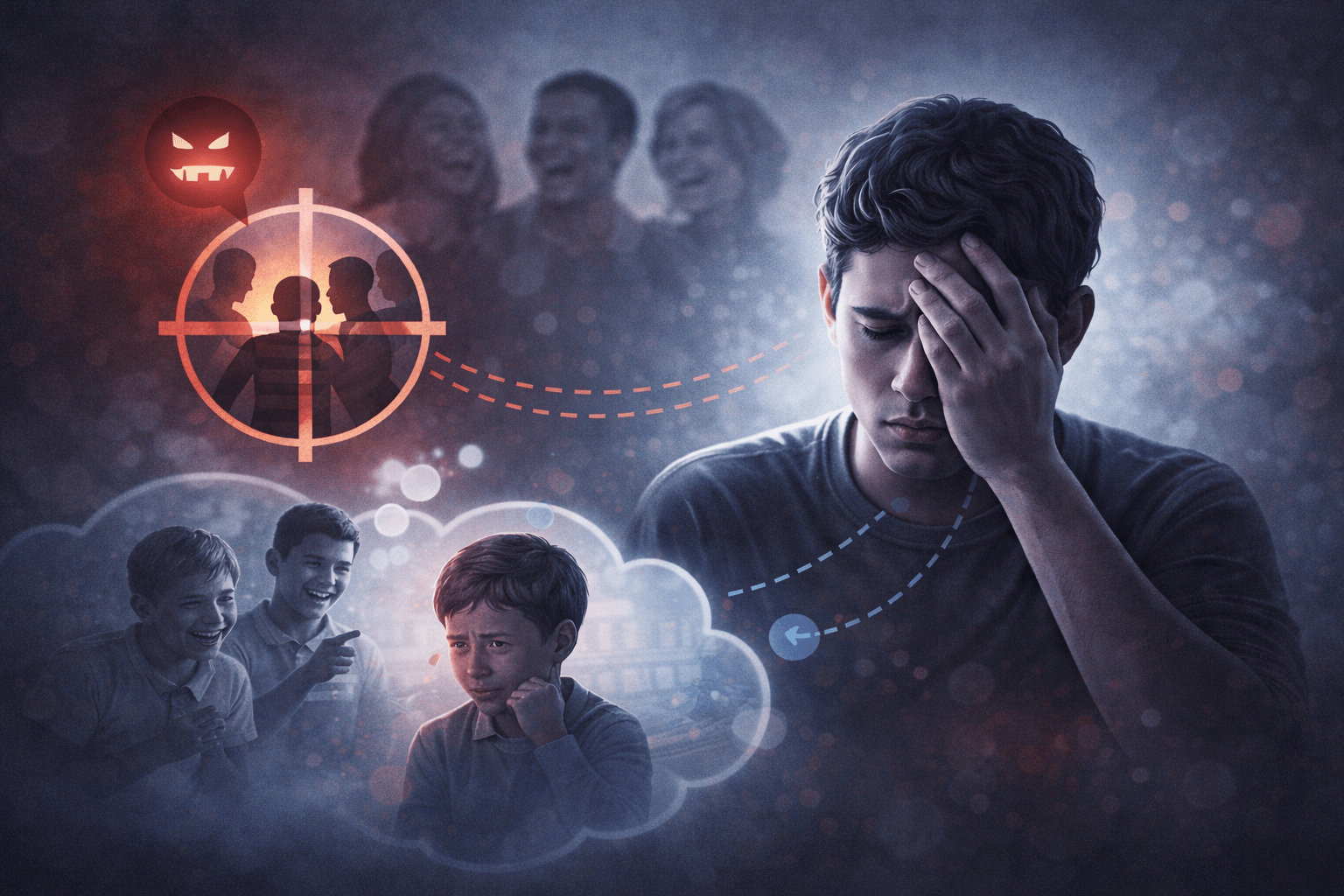
In social anxiety, the core issue is rarely the existence of other people’s opinions. It is the anxious mind’s tendency to overestimate how much those opinions matter, how negative they will be, and how lasting their consequences might become. Cognitive Behavioral Therapy targets this distortion directly, not by teaching indifference to feedback, but by recalibrating the perceived weight of social evaluation to something more proportionate and evidence-based.

Recalibrating the Weight of Others’ Opinions in Social Anxiety Read Post »

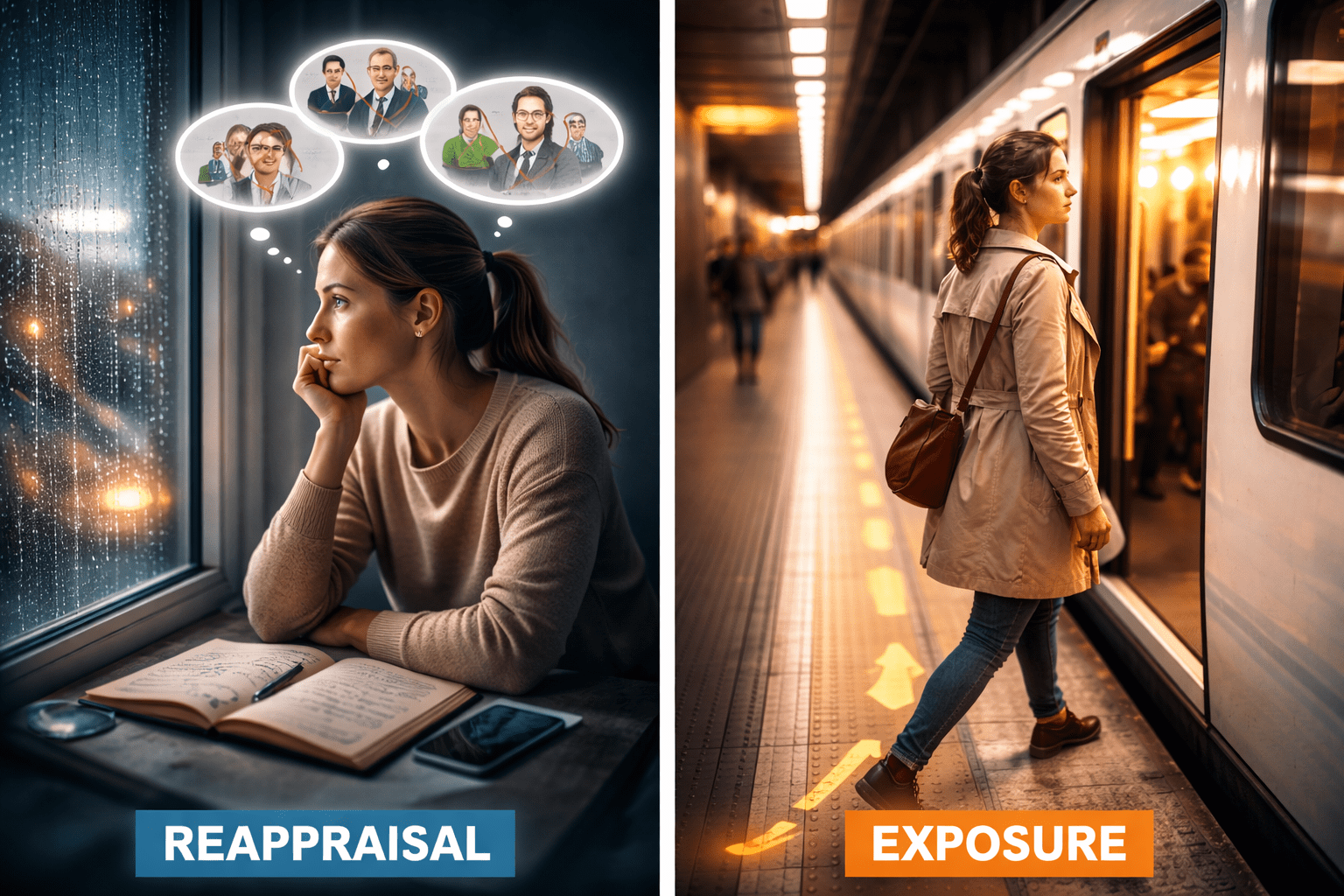
Reappraisal Lowers Prediction. Exposure Updates Fear: Why CBT Needs Both.

Anxiety is driven by exaggerated threat prediction, the mind overestimates danger and underestimates coping ability. Cognitive reappraisal lowers these predictions, reducing distress at the level of interpretation. However, only exposure creates prediction error strong enough to update conditioned fear learning. Symptom relief and fear restructuring are related, but not the same process.

Reappraisal Lowers Prediction. Exposure Updates Fear: Why CBT Needs Both. Read Post »

The Hidden Engine of Anxiety: Shame and the Inner Critic

Anxiety isn’t just fear of the future, it’s often fear of your own inner voice. For high-functioning adults with GAD or social anxiety, self-criticism masquerades as logic and responsibility. But every internal attack activates the nervous system’s threat response. The more you try to “fix” yourself through shame, the more anxious you become. Real change begins when you separate from the inner critic and stop treating yourself as the enemy.

The Hidden Engine of Anxiety: Shame and the Inner Critic Read Post »

Understanding Disproportionate Reactions in GAD and Social Anxiety

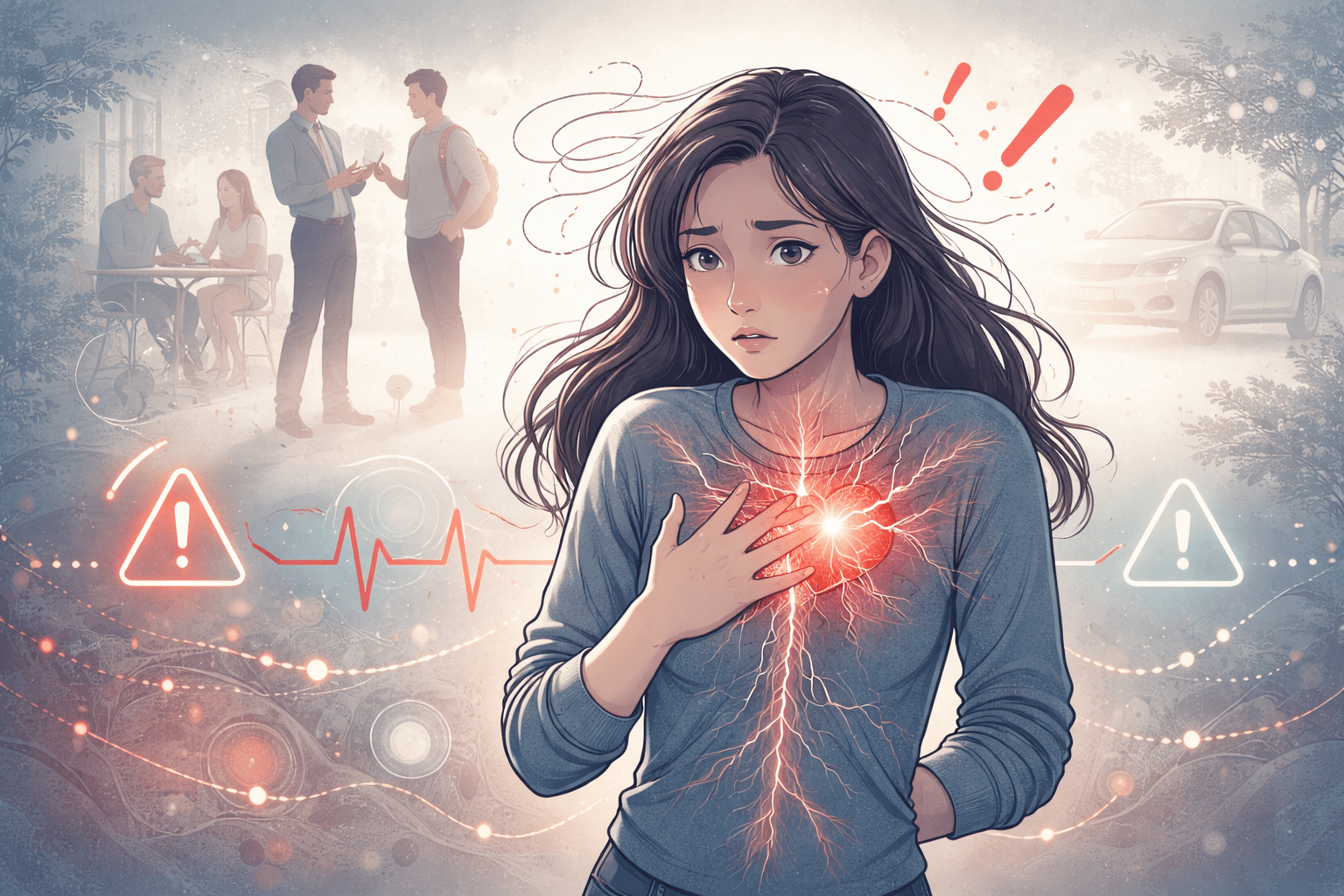
In GAD and social anxiety, reactions often feel disproportionate because the brain’s threat system responds to learned associations rather than current reality. Past stress or humiliation conditions neutral cues as danger signals, triggering rapid autonomic arousal before conscious reasoning can intervene. Insight alone cannot switch off this response; recalibration requires corrective emotional experience.

Understanding Disproportionate Reactions in GAD and Social Anxiety Read Post »

Real Event ≠ Magnified Significance: Why Anxiety Inflates Meaning

Anxiety does not exaggerate events, it exaggerates their meaning. A neutral cue can be encoded as threat, not because it is dangerous, but because the nervous system has learned to treat it as significant. Recovery is less about eliminating emotion and more about reducing magnified meaning and shortening the time it takes to settle and move forward.

Real Event ≠ Magnified Significance: Why Anxiety Inflates Meaning Read Post »

Acceptance Is Not Giving Up, It’s How Anxiety Loses Its Grip

Anxiety isn’t created by what happens to you, it’s created by how your mind reacts to it. You can’t control life, people, or circumstances, but you can control the meaning you assign to them. When you stop fighting reality and start accepting what already happened, the anxiety loop begins to weaken. Acceptance doesn’t erase pain, but it’s the first step toward breaking anxiety’s grip and starting the recovery journey.

Acceptance Is Not Giving Up, It’s How Anxiety Loses Its Grip Read Post »

Why Cognitive Behavioral Therapy (CBT) Is the Most Effective, Evidence-Based Treatment for Anxiety Disorders

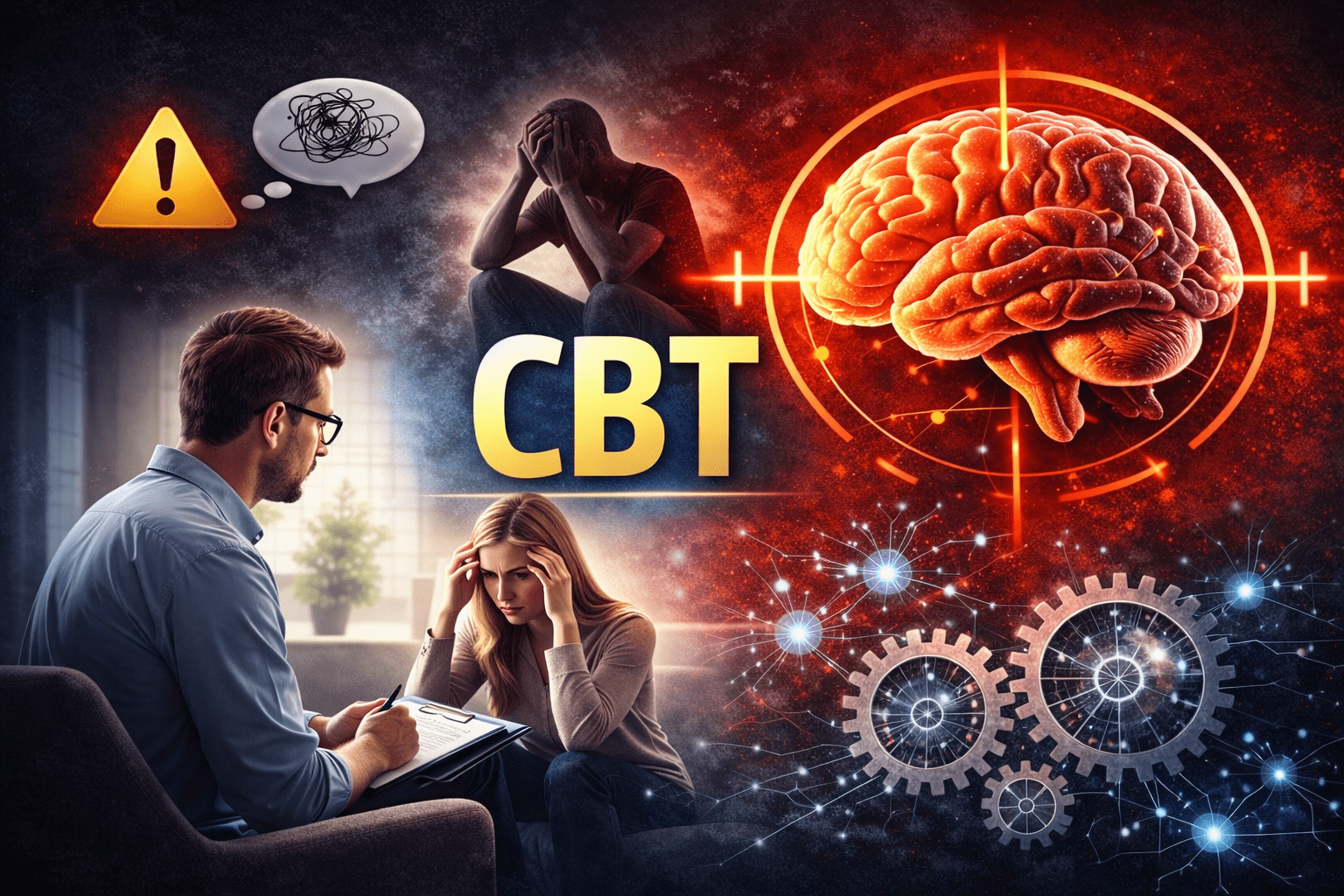
Anxiety disorders don’t persist because people lack confidence or positivity. They persist because the brain has learned to misinterpret threat and reinforce avoidance. Cognitive Behavioral Therapy works because it directly corrects these threat interpretations and retrains the nervous system through evidence, exposure, and cognitive reappraisal, producing change that lasts.

Why Cognitive Behavioral Therapy (CBT) Is the Most Effective, Evidence-Based Treatment for Anxiety Disorders Read Post »

Is Anxiety and Rumination Ever Useful?

Anxiety and rumination often feel useful because they create the illusion of control, insight, and preparation. In reality, research shows that persistent worry and post-event analysis do not improve outcomes; they reinforce threat perception and maintain anxiety over time. This article examines, from a cognitive-behavioral and neuroscience perspective, when anxiety is adaptive, when it becomes maladaptive, and why thinking more is rarely the solution.

Is Anxiety and Rumination Ever Useful? Read Post »

You Are Not Responsible for Other People’s Thoughts, Emotions, or Judgments: A Cognitive and Neuroscientific Perspective

You are not responsible for other people’s thoughts, feelings, or judgments, only for your own actions and values. The human brain often mistakes social discomfort for danger, fueling mind-reading, over-apologizing, and emotional overreach. But every person interprets through their own filters, and trying to manage others’ inner worlds is both impossible and psychologically draining. True freedom lies in letting others own their reactions while you stay grounded in your integrity.

You Are Not Responsible for Other People’s Thoughts, Emotions, or Judgments: A Cognitive and Neuroscientific Perspective Read Post »

How Anxiety Turns High Intelligence Into a Psychological Burden

High intelligence does not protect against anxiety, in many cases, it intensifies it. When the anxious brain recruits advanced thinking skills, analysis turns into rumination, imagination becomes threat simulation, and self-awareness fuels constant mental monitoring. This article explains, through cognitive and neuroscientific research, how anxiety hijacks intelligence and why recovery is not about thinking smarter, but about disengaging cognitive power from fear.

How Anxiety Turns High Intelligence Into a Psychological Burden Read Post »

Why Sudden Calm After Anxiety Can Trigger a New Wave of Fear

For many people with anxiety, the most unsettling moment is not the panic itself, but the sudden calm that follows. This article explains, from a cognitive-behavioral and neuroscience perspective, why the anxious brain often interprets relief as danger, how calm becomes associated with vulnerability, and what this reveals about how anxiety is learned and maintained.

Why Sudden Calm After Anxiety Can Trigger a New Wave of Fear Read Post »

Do Pets Help With Mental Health? What Science Says

Pets won’t cure anxiety, depression, PTSD, or bipolar disorder, but science suggests they can offer meaningful support. Research shows that interacting with animals may reduce stress hormones, increase oxytocin, and ease feelings of loneliness through routine, touch, and non-judgmental presence. At the same time, evidence is clear that these benefits are modest, highly individual, and never a substitute for therapy or medication. Understanding where pets genuinely help, and where they don’t, is key to separating comforting myths from scientific reality.

Do Pets Help With Mental Health? What Science Says Read Post »

How Anxiety Trains You to Observe Yourself Instead of Living

Anxiety does not only make you worry, it quietly trains you to watch yourself instead of living. Over time, attention turns inward, every reaction is monitored, and life is experienced from a distance. This article explains, through cognitive and behavioral science, how anxiety creates this “observer mode” and why recovery means returning to direct experience, not better self-control.

How Anxiety Trains You to Observe Yourself Instead of Living Read Post »

When Positive Thinking Becomes a Psychological Problem

Positive thinking is often promoted as a universal cure for anxiety. Yet, psychological research shows that when positivity becomes rigid, forced, or used to escape discomfort, it can increase rumination, self-monitoring, and emotional distress. This article explains, scientifically and clearly, when positive thinking stops helping and starts becoming part of the problem.

When Positive Thinking Becomes a Psychological Problem Read Post »

Why the Anxious Brain Exaggerates the Importance of Trivial Details

In anxiety disorders, the brain does not simply worry more, it assigns excessive importance to details that are neutral, minor, or objectively irrelevant. This article explains, from a cognitive-behavioral and neuroscience perspective, why the anxious brain amplifies trivial details, how this process is learned, and why trying to correct or neutralize these details often strengthens anxiety rather than resolving it.

Why the Anxious Brain Exaggerates the Importance of Trivial Details Read Post »

Shopping Cart
Scroll to Top